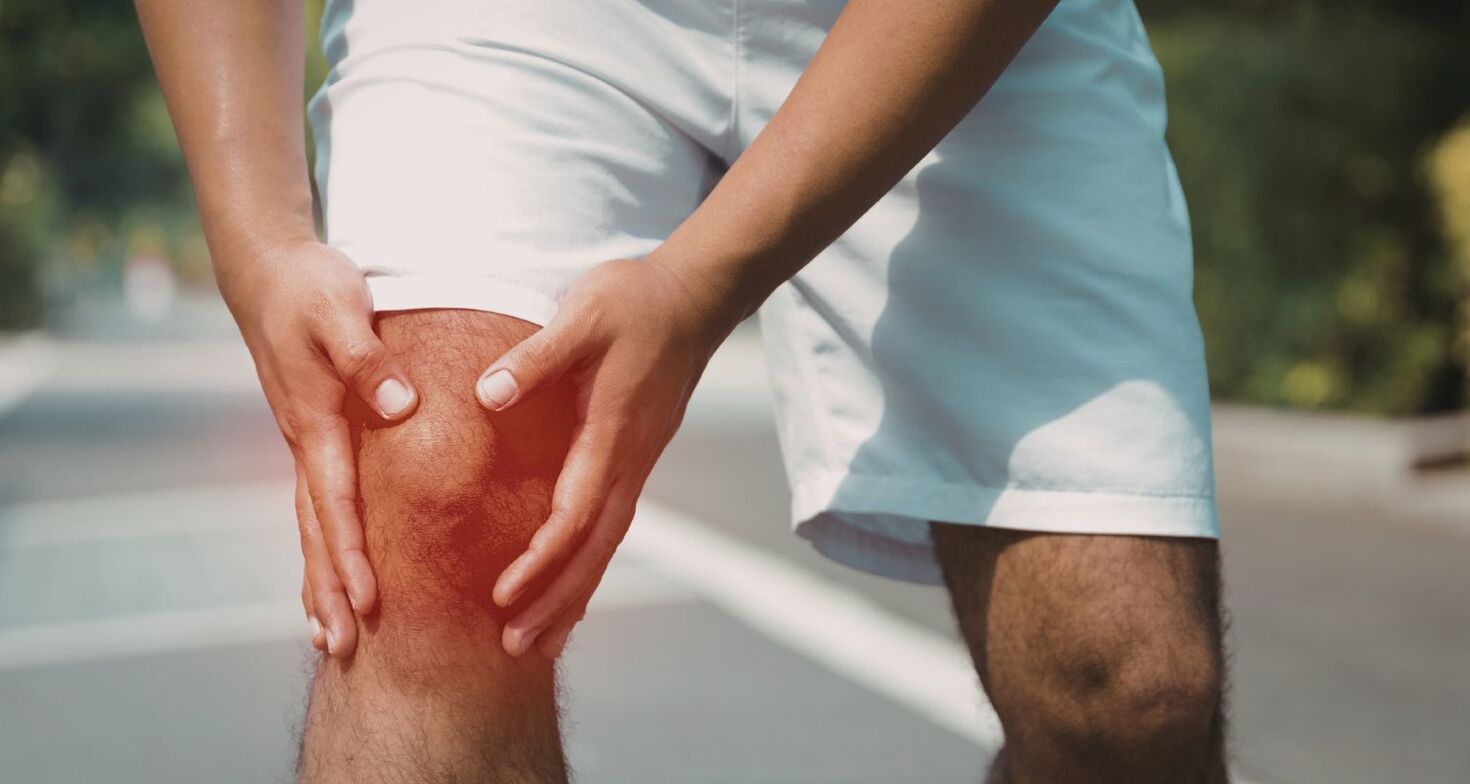
If you've ever experienced knee pain after running that just won't quit, you're likely dealing with runner's knee—one of the most common injuries among athletes and active individuals. Also known as patellofemoral pain syndrome, this frustrating condition affects runners of all levels, from weekend joggers to marathoners training for race season. The good news? With the right treatment approach, runner's knee is highly manageable, and you can get back to doing what you love.
At Structural Elements in Frederick, we've helped countless local athletes and runners overcome runner's knee through a comprehensive approach that includes physical therapy, dry needling, acupuncture, and specialized sports medicine techniques. Understanding what causes this condition and how to treat it effectively is the first step toward recovery.
What Exactly Is Runner's Knee?
Runner's knee refers to pain around or behind the kneecap (patella) that typically worsens during activities like running, squatting, climbing stairs, or sitting for extended periods. The technical term—patellofemoral pain syndrome (PFPS)—describes what's happening: the patella isn't tracking properly over the femur (thighbone), leading to irritation and inflammation.
The pain often starts gradually and feels like a dull ache around the front of the knee. Many people describe it as a sensation of their knee "giving out" or feeling unstable. If you're experiencing kneecap pain that intensifies during physical activity, runner's knee is a likely culprit. For many of our patients, the condition develops after increasing training intensity too quickly or changing running surfaces without proper adaptation time.
Why Does Runner's Knee Happen?
Understanding the root causes helps guide effective treatment. Runner's knee rarely develops from a single factor—instead, it's usually the result of multiple contributing issues:
Muscle Imbalances and Weakness
Weak hip muscles, particularly the gluteus medius, can cause your knee to rotate inward during running. This misalignment puts excessive stress on the patellofemoral joint. Similarly, weak quadriceps muscles, especially the vastus medialis oblique (VMO), fail to properly stabilize the kneecap during movement.
Overuse and Training Errors
Ramping up your mileage too quickly, running on hard surfaces, or not allowing adequate recovery time between workouts can all contribute to runner's knee. Many runners experience this when transitioning from winter treadmill training to outdoor running on pavement without proper progression. Your body needs time to adapt to increased demands, and pushing too hard too fast is a recipe for injury.
Biomechanical Issues
Flat feet, high arches, or differences in leg length can alter your running mechanics and place uneven stress on your knees. Even worn-out running shoes can contribute to poor biomechanics and increase your risk of developing runner's knee.
Tight Muscles and Limited Flexibility
Tight hip flexors, IT bands, hamstrings, or calf muscles can all affect how your knee tracks during movement. When these muscles are tight, they pull on the structures around your knee, contributing to misalignment and pain.
How Physical Therapy Helps with Runner's Knee
Physical therapy is the cornerstone of runner's knee treatment. At Structural Elements in Frederick, our sports medicine specialists create individualized treatment plans that address your specific biomechanical issues and strength deficits.
Strengthening Exercises
Targeted strengthening is essential for long-term recovery. Your physical therapist will guide you through runners knee exercises that focus on building hip stability, quadriceps strength, and core control. Common exercises include clamshells, single-leg bridges, step-downs, and terminal knee extensions. These movements retrain your muscles to support proper knee alignment during running and other activities.
Manual Therapy Techniques
Hands-on techniques like joint mobilization and soft tissue massage help restore normal movement patterns and reduce pain. Your therapist may work on releasing tight muscles around your hip, thigh, and calf that are contributing to your knee pain.
Gait Analysis and Correction
Understanding how you run is crucial for preventing future injuries. We use video gait analysis to identify any issues with foot strike, stride length, or hip drop that might be contributing to your runner's knee. Small adjustments to your running mechanics can make a significant difference in reducing stress on your knees, whether you're training on local trails or running through your neighborhood.
The Role of Dry Needling in Runner's Knee Recovery
Dry needling is an increasingly popular treatment for runner's knee, and for good reason. At Structural Elements in Frederick, we've seen excellent results using this technique to help athletes recover faster and more completely.
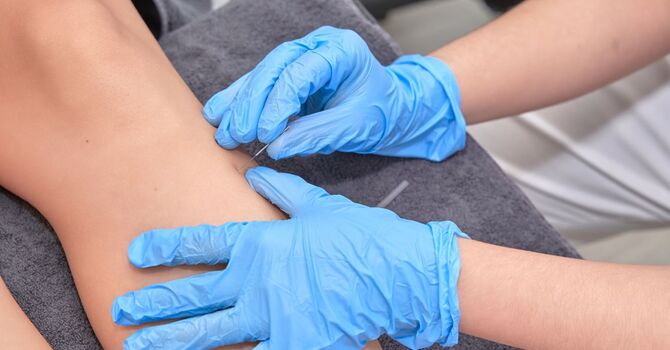
Dry needling involves inserting thin needles into trigger points in tight or overactive muscles to release tension and improve muscle function. For runner's knee, dry needling can be particularly effective for addressing tightness in the quadriceps, IT band, hip flexors, and calf muscles. When these muscles are overly tight, they can pull on the structures around your knee and contribute to poor patellar tracking.
By releasing these trigger points, dry needling helps restore normal muscle length and reduces the mechanical stress on your knee. Many patients at our clinic notice immediate improvement in their range of motion and pain levels after dry needling sessions. When combined with strengthening exercises and other therapies, it accelerates the recovery process and helps prevent recurrence.
Acupuncture for Pain Relief and Healing
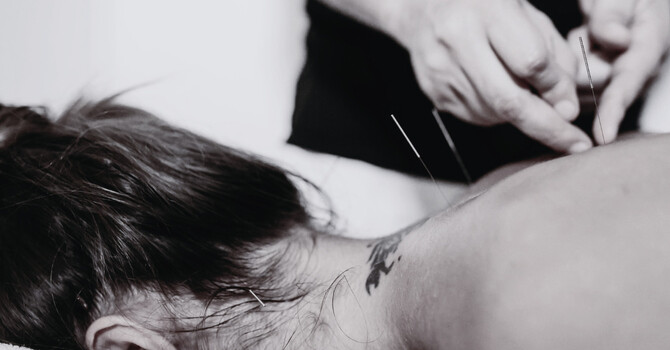
Acupuncture offers another effective approach for managing runner's knee pain. This traditional technique stimulates specific points on the body to promote healing and reduce inflammation.
For runner's knee, acupuncture can help in several ways. It reduces pain by triggering the release of endorphins, your body's natural painkillers. It also improves blood flow to the injured area, which supports tissue healing and reduces inflammation. Many patients find that acupuncture provides significant pain relief while also addressing underlying muscle imbalances.
At Structural Elements, we often combine acupuncture with other treatment modalities to provide comprehensive care for runner's knee. Some patients prefer acupuncture over dry needling, while others benefit from both approaches at different stages of their recovery.
Sports Medicine Approaches to Runner's Knee
A sports medicine approach to runner's knee goes beyond simply treating symptoms—it focuses on identifying and correcting the underlying biomechanical issues that led to the injury in the first place.
This comprehensive strategy includes detailed movement assessments, video gait analysis, and functional testing to understand exactly what's contributing to your knee pain after running. Based on these findings, your treatment plan might include:
- Customized orthotics or shoe recommendations to address foot mechanics
- Taping techniques to support proper patellar tracking
- Progressive return-to-running protocols that safely rebuild your tolerance
- Cross-training modifications to maintain fitness while allowing your knee to heal
- Load management strategies to prevent overtraining
The goal is not just to eliminate your current pain, but to build resilience and prevent future injuries. This is especially important for serious runners who want to maintain consistent training without repeated setbacks.
Effective Runner's Knee Stretches and Self-Care
While professional treatment is important, there's plenty you can do at home to support your recovery. Runners knee stretches should target the muscles that commonly contribute to poor patellar tracking:
Quadriceps Stretch
Stand on one leg and pull your other foot toward your buttocks, keeping your knees together. Hold for 30 seconds on each side.
Hip Flexor Stretch
Kneel on one knee with the other foot forward. Gently push your hips forward until you feel a stretch in the front of your hip. Hold for 30 seconds on each side.
IT Band Stretch
Stand and cross one leg behind the other, then lean away from the back leg until you feel a stretch along the outside of your hip and thigh. Hold for 30 seconds on each side.
Calf Stretch
Place your hands on a wall with one foot forward and one back. Keep your back leg straight and press your heel into the ground until you feel a stretch in your calf. Hold for 30 seconds on each side.
Incorporating these stretches into your daily routine, especially after running or exercise, can help maintain the flexibility needed for proper knee mechanics.
Recovery Timeline and What to Expect
One of the most common questions we hear at our Frederick clinic is, "How long will it take to recover from runner's knee?" The answer depends on several factors, including the severity of your condition, how long you've been experiencing symptoms, and how consistently you follow your treatment plan.
Most patients start noticing improvement within 2-4 weeks of beginning treatment, especially when combining physical therapy with modalities like dry needling or acupuncture. However, full recovery typically takes 6-12 weeks. Chronic cases that have persisted for months may require longer rehabilitation.
The key to successful recovery is patience and consistency. Rushing back to running too quickly or skipping your strengthening exercises can set you back and prolong your recovery. At Structural Elements, we'll guide you through a progressive return-to-activity plan that safely rebuilds your tolerance while minimizing the risk of re-injury.
Preventing Runner's Knee from Coming Back
Once you've recovered from runner's knee, prevention becomes the priority. The same strategies that helped you heal will also keep you healthy long-term:
- Maintain hip and quadriceps strength through regular strength training
- Follow the 10% rule: don't increase your weekly mileage by more than 10%
- Replace running shoes every 300-500 miles
- Include adequate recovery days in your training schedule
- Continue with regular stretching and mobility work
- Cross-train with activities like swimming or cycling to reduce repetitive stress
- Listen to your body and address minor aches before they become major problems
Remember, consistent preventive care is far easier than treating a full-blown injury. Many runners who've experienced runner's knee benefit from periodic "tune-up" sessions with their physical therapist to maintain optimal mechanics and address any emerging issues early.
Take the First Step Toward Recovery in Frederick
Runner's knee doesn't have to sideline your training or keep you from enjoying the activities you love. With the right combination of physical therapy, dry needling, acupuncture, and sports medicine expertise, you can overcome this common injury and return to running stronger than before.
At Structural Elements in Frederick, Maryland, our team specializes in helping athletes and active individuals recover from runner's knee and other sports-related injuries. We take a comprehensive, evidence-based approach that addresses not just your symptoms, but the underlying biomechanical issues contributing to your pain.
If you're struggling with persistent kneecap pain or worried that runner's knee is limiting your performance, don't wait for it to get worse. Schedule a consultation with our Frederick sports medicine team today, and let's create a personalized treatment plan to get you back on track. Your knees—and your running goals—will thank you.
.png)

