For athletes, an injury is more than just physical pain. It is lost training time, missed competitions, and the mental weight of watching your body fall short of where you need it to be. The pressure to recover quickly is real, and so is the frustration of treatments that only scratch the surface.
Dry needling therapy is one of the more effective tools available for athletic injury recovery, and it is gaining serious traction in sports medicine and physical therapy settings. If you have been wondering what is dry needling and whether it could help you get back to peak performance, this guide breaks it down clearly.
What Is Dry Needling?
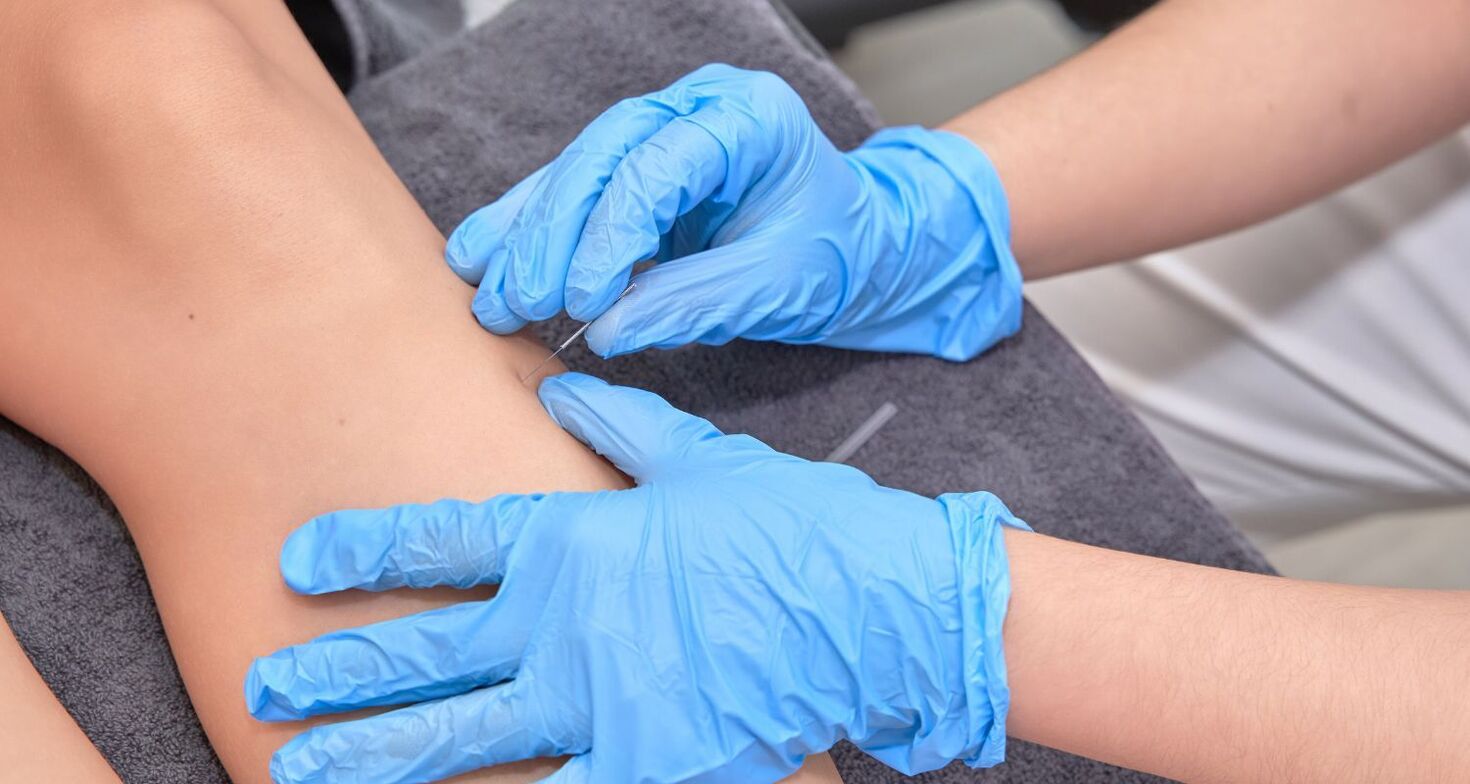
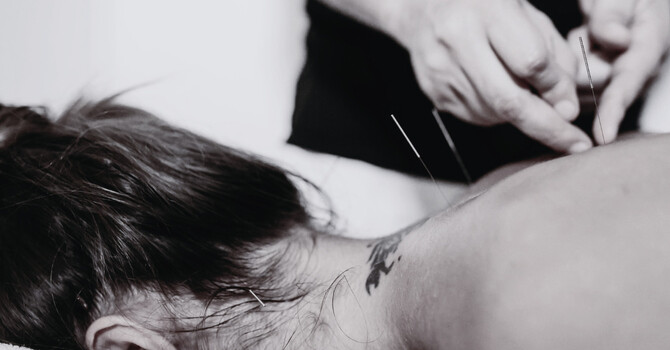
Dry needling is a therapeutic technique performed by trained clinicians in which thin, sterile needles are inserted into specific areas of muscle tissue. The term "dry" refers to the fact that no substance is injected through the needle. The needle itself is the treatment.
The primary targets are trigger points: tight, irritable knots within muscle fibers that restrict movement, cause pain, and interfere with how your body functions under load. These trigger points are incredibly common in athletes, forming in overworked or injured muscle groups and often referring pain to other areas of the body far from where the needle is placed.
How Does Dry Needling Work?
When a needle enters a trigger point, it creates a small local response in the muscle tissue. This often produces what clinicians call a "twitch response," which is a brief, involuntary contraction of the muscle. That response is actually a positive sign. It signals that the needle has engaged the problem area directly.
After the twitch, the muscle relaxes. Blood flow increases to the region, oxygen returns, and the tissue begins to reset. On a neurological level, the needle disrupts the pain signals being sent from that area to your brain, helping to reduce both local and referred pain. Over a series of sessions, this process helps restore normal muscle function, improve range of motion, and reduce the chronic tension that builds up around an injury site.
What Conditions Can Dry Needling Treat?
One of the reasons dry needling physical therapy has become so valuable in athletic care is the range of conditions it addresses. Some of the most common include:
- Rotator cuff strains and shoulder impingement
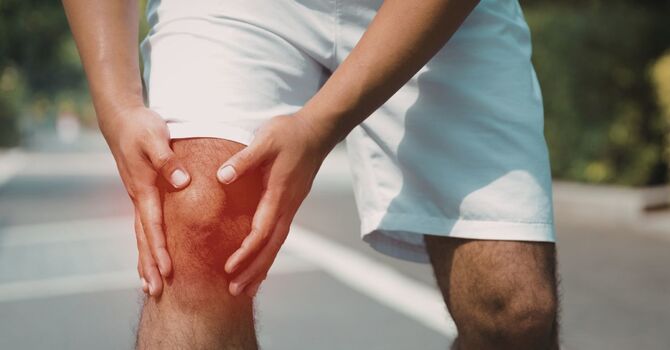
- IT band syndrome and knee pain
- Plantar fasciitis and Achilles tendon issues
- Hip flexor tightness and groin strains
- Lower back pain and spinal muscle dysfunction
- Tennis elbow and golfer's elbow
- Hamstring and quadriceps injuries
- Shin splints and calf tightness
- Neck pain and tension headaches related to postural strain
Essentially, if there is a muscle involved, dry needling therapy can likely play a role in the recovery process. Athletes dealing with recurring injuries often find that trigger points are contributing to compensation patterns throughout the body, and needling helps address those patterns at the source.
Can Dry Needling Help with Injury Recovery in Athletes?
Yes, and significantly so. The dry needling benefits for athletes go beyond simple pain relief. Resolving deep trigger points restores the mechanical efficiency of muscle tissue, which means your body can generate force more cleanly and absorb load more evenly. That matters enormously for sport.
When muscles are locked up around an injury, surrounding tissues compensate. Over time, those compensations create secondary problems. A hamstring injury might alter your running gait and overload your calf. A rotator cuff strain might cause your shoulder blade stabilizers to fatigue and your neck to tighten. Dry needling addresses these layers, not just the obvious injury site, which speeds up recovery and reduces the risk of re-injury.
Athletes at Structural Elements in Frederick often combine dry needling with movement work and other orthopedic wellness services to create a complete recovery environment. That integration, addressing structure, movement, and tissue quality together, is what accelerates real results.
Dry Needling vs. Acupuncture: What Is the Difference?
This is one of the most common questions people ask, so it is worth addressing directly. Dry needling vs acupuncture comes down to underlying philosophy and clinical purpose.
Acupuncture is rooted in traditional Chinese medicine and uses needles to influence energy flow through pathways in the body called meridians. It is a complete system of health care with thousands of years of history.
Dry needling is based on Western anatomy and neuromuscular science. Clinicians trained in how does dry needling work are targeting specific muscles, trigger points, and nerve pathways identified through modern research. The goal is musculoskeletal pain relief and functional recovery.
How is dry needling different from acupuncture in practice? The needle insertion points differ because the underlying maps differ. Acupuncture uses meridian-based points, while dry needling targets dysfunctional muscle tissue directly. Both can reduce pain, but they achieve it through different mechanisms and draw from very different traditions.
Does Dry Needling Hurt?
This question comes up constantly, and the honest answer is: it depends. The needles used in dry needling are extremely thin, much finer than hypodermic needles used for injections. Insertion itself is often barely perceptible.
The twitch response, however, can feel surprising. Some people describe it as a brief cramp or dull ache that passes within seconds. The intensity varies depending on how reactive the trigger point is and how sensitive the surrounding tissue is. Immediately after a session, some muscle soreness is common, similar to the feeling after a tough workout.
Does dry needling hurt enough to avoid it? For most athletes, the answer is no. The short-term discomfort is well within manageable range, and the relief that follows typically makes it worthwhile.
What to Expect from Dry Needling Therapy
A dry needling session at a facility like Structural Elements in Frederick begins with a thorough assessment of your movement patterns, pain location, and tissue quality. Your clinician will identify the trigger points contributing to your symptoms and develop a treatment plan accordingly.
Sessions typically last 20 to 45 minutes depending on how many areas are treated. Most athletes notice meaningful improvement within two to four sessions, though chronic injuries or long-standing compensation patterns may benefit from a longer course of care.
Between sessions, your clinician will likely recommend specific movement or recovery strategies to support the work done with the needle. That combination of hands-on treatment and active engagement is where the strongest outcomes happen.
Getting Back to the Sport You Love
Injury recovery does not have to be a waiting game. Dry needling therapy gives clinicians a precise, evidence-informed tool to address the muscular dysfunction that keeps athletes stuck. Whether you are dealing with a recent strain or a recurring problem that keeps coming back, it is worth exploring what dry needling can do for your body.
At Structural Elements in Frederick, our approach to orthopedic wellness is built around treating the whole system, not just the symptom. If you are ready to move better and recover faster, reach out to schedule a consultation and find out whether dry needling is the right next step for your recovery.
.png)

