If you've ever felt an ache creeping around your kneecap a few miles into a run, you may already be dealing with runner's knee. It's one of the most common overuse injuries among runners, and it can show up whether you're training for your first 5K or your tenth marathon. The good news is that runner's knee responds well to the right kind of care. At Structural Elements Frederick, we work with runners throughout Frederick and Urbana, MD who are looking for real answers, not just a suggestion to "rest and ice it."
In this post, we'll walk through what runner's knee actually is, why it happens, and how physical therapy can get you back on the road with a plan that actually addresses the cause.
What Is Runner's Knee?
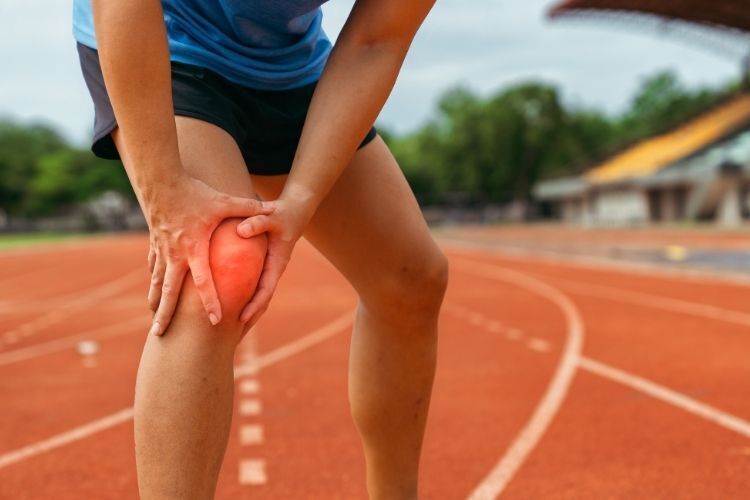
Runner's knee, medically known as patellofemoral pain syndrome, refers to pain around or behind the kneecap. According to the Mayo Clinic, the pain often develops gradually and tends to worsen with activities that load the knee repeatedly: running, climbing stairs, squatting, or sitting for long stretches with your knees bent.
The condition happens when the kneecap doesn't track smoothly within the groove of the thigh bone as the knee bends and straightens. Over time, that friction irritates the soft tissue and nerves around the joint. It's rarely caused by one single event. Instead, it's usually the result of repetitive stress combined with an underlying imbalance somewhere in the kinetic chain.
Why Runners Are So Prone to It
Runners are especially susceptible to runner's knee for a few reasons. Every stride sends force through the knee joint, and small mechanical issues get amplified over hundreds or thousands of repetitions. Some of the most common contributing factors include:
- Weak hip and glute muscles, which allow the knee to drift inward with each step
- Tight quadriceps, hamstrings, or IT bands that pull the kneecap off its natural track
- A sudden increase in mileage or intensity without enough recovery time
- Worn-out or unsupportive running shoes
- Running mechanics that place extra strain on one side of the knee
This is why two runners with the exact same mileage can have very different outcomes. The person with strong, well-balanced hips and a healthy stride pattern is far less likely to develop symptoms than someone with a muscle imbalance they've never had assessed.
Recognizing the Symptoms
Runner's knee symptoms usually start subtly and build over time. Common signs include:
- A dull ache around or under the kneecap
- Pain that worsens when going up or down stairs
- Discomfort after sitting with a bent knee for a while, sometimes called "theater sign"
- A grinding or popping sensation when bending the knee
- Pain that increases with distance or speed during a run
Catching these symptoms early matters. Runners who push through the pain without changing anything often end up dealing with a longer recovery than those who address it right away.
How Physical Therapy Helps Runner's Knee
Physical therapy is considered a frontline treatment for patellofemoral pain, and current clinical guidelines from the American Physical Therapy Association support a structured, exercise-based approach for lasting relief. Here's what that typically looks like in practice.
A thorough movement assessment. Before any treatment begins, a physical therapist evaluates your hip strength, knee alignment, ankle mobility, and running mechanics. This step is what separates real runner's knee treatment from generic advice, because it identifies your specific contributing factors rather than treating the knee in isolation.
Hip and glute strengthening. Since weak hips are one of the most common drivers of runner's knee, strengthening the glute medius and hip abductors is often the single most effective intervention. Stronger hips keep the knee tracking properly and take pressure off the joint with every stride.
Targeted stretching and soft tissue work. Tightness in the quadriceps, hamstrings, or IT band can pull the kneecap out of alignment. Manual therapy techniques, along with a personalized stretching routine, help restore normal movement patterns around the joint.
Gait and running form analysis. For runners specifically, looking at cadence, stride length, and foot strike can reveal habits that are quietly overloading the knee. Small adjustments here often make a big difference over time.
A gradual return-to-running plan. Rather than an all-or-nothing approach, physical therapy typically includes a structured plan for reintroducing mileage, so you build strength and tolerance without setting yourself back.
Exercises for Runner's Knee Recovery
While every treatment plan should be personalized, physical therapists commonly include exercises like these as part of runner's knee rehab:
- Clamshells and side-lying leg raises for glute activation
- Step-downs and single-leg squats to build knee stability
- Quad sets and straight-leg raises for pain-free strengthening
- Foam rolling for the IT band and quadriceps
- Calf raises to support overall lower-limb mechanics
These movements are usually introduced gradually and adjusted as strength and tolerance improve, which is one reason working with a licensed physical therapist tends to produce better results than trial and error at home.
What Recovery Looks Like
Most runners see meaningful improvement within four to six weeks of consistent physical therapy, though full recovery and a safe return to prior mileage can take longer depending on how long symptoms went untreated. The encouraging part is that runner's knee is rarely a permanent condition. With the right combination of strengthening, mobility work, and gradual training progression, most runners return to the activity they love with a lower risk of the pain coming back.
Prevention matters just as much as treatment. Once your pain resolves, keeping up with hip strengthening exercises, monitoring mileage increases, and replacing worn shoes on schedule all go a long way toward keeping runner's knee from returning.
Get Back to Running with Structural Elements Frederick
If knee pain has been holding back your training, you don't have to figure it out alone. At Structural Elements Frederick, our physical therapy team works with runners across Frederick, Urbana, and the surrounding area to build a recovery plan built around your specific movement patterns, not a generic protocol. Our integrative approach means your physical therapy plan can also draw on complementary services like dry needling or myofascial release when they support your recovery.
If you're dealing with knee pain that just won't quit, schedule a consultation with Structural Elements Frederick today and take the first step toward running pain-free again.
.jpg)